
Dry Type vs. Oil-Immersed Transformers: Which One Is Right for Your Project?
Choosing the right transformer is one of the most critical decisions in any electrical distribution project. The choice between dry type and oil-immersed transformers affects safety, efficiency, maintenance costs, and long-term reliability. Here is a practical comparison to help you make the right call.
At a Glance: Key Differences
| Feature | Dry Type Transformer | Oil-Immersed Transformer |
|---|---|---|
| Cooling Medium | Air (natural or forced) | Insulating oil |
| Typical Voltage Range | Up to 35 kV | Up to 1,000 kV+ |
| Installation Location | Indoor, densely populated areas | Outdoor, substations, industrial yards |
| Fire Risk | Minimal — no flammable liquids | Higher — oil is combustible |
| Maintenance | Low — regular cleaning and inspections | Higher — oil testing, filtration, DGA |
| Initial Cost | Higher upfront | Lower upfront |
| Total Lifecycle Cost | Lower for indoor applications | Lower for outdoor high-capacity |
| Environmental Impact | No oil spill risk | Risk of leaks; ester oils offer biodegradable alternatives |
When to Choose Dry Type
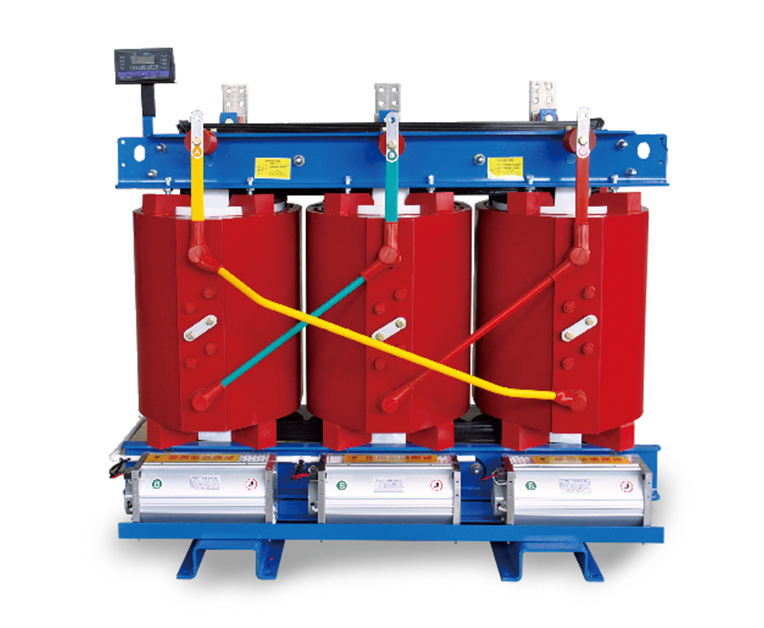
Dry type transformers use epoxy resin or Nomex paper for insulation, eliminating the risk of flammable liquid leaks and making them ideal for indoor installations. They require minimal maintenance and are well-suited for:
Commercial buildings, hospitals, and schools
Data centers with strict fire safety requirements
Underground substations and densely populated urban areas
Environments with strict environmental regulations
With compact size and light weight, dry type units offer high installation flexibility — side-by-side, wall-mounted, or cabinet-mounted configurations are all feasible.
When to Choose Oil-Immersed
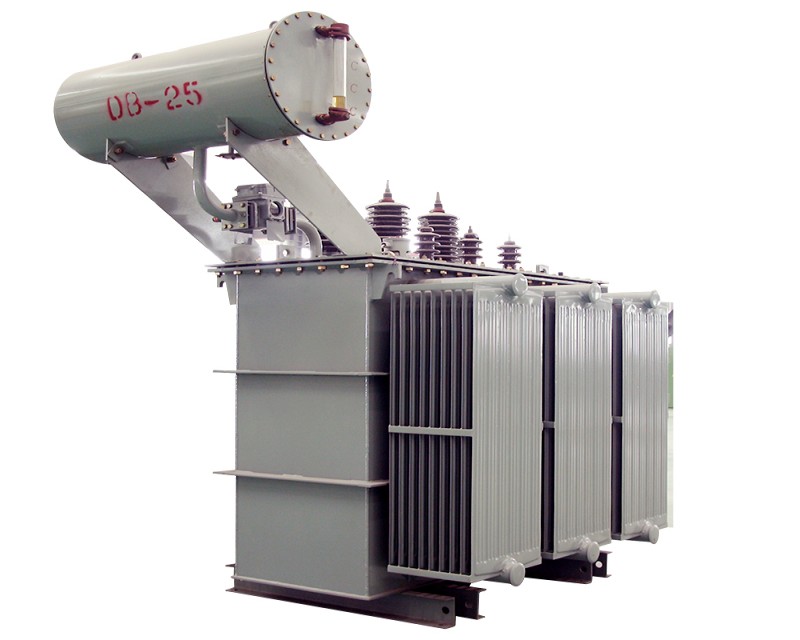
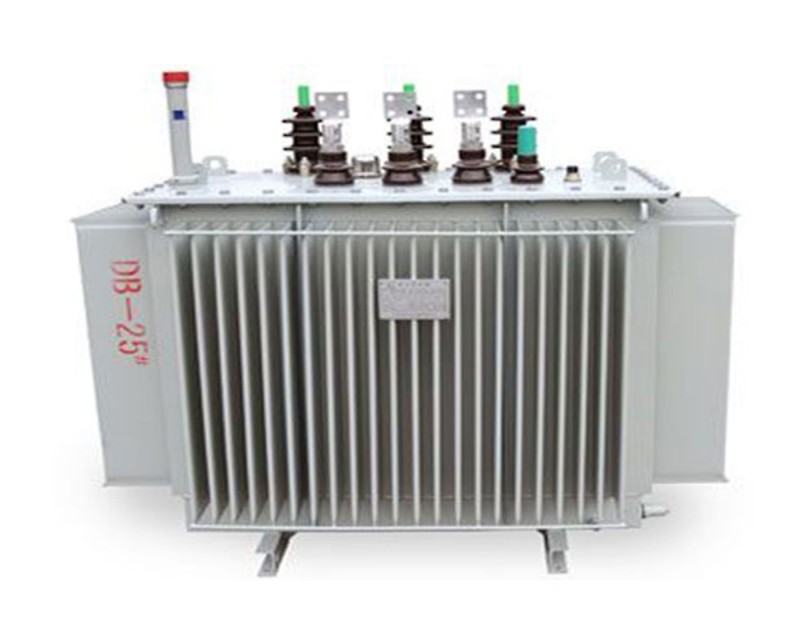
Oil-immersed transformers deliver superior cooling efficiency (thermal conductivity ~0.13 W/m·K vs. ~0.026 W/m·K for air), enabling higher power ratings in more compact designs for outdoor applications. They are the standard choice for:
Utility-scale power transmission and distribution
Industrial plants with high continuous loads
Renewable energy farms (solar, wind) requiring grid interconnection
Any application above 35 kV
Oil-immersed units also support short-term overloads of 150%–200%, making them ideal for continuous industrial operations.
Making the Decision
Ask yourself these four questions:
Where will the transformer be installed? Indoor → dry type; outdoor → both are viable, but oil-immersed offers better cost-performance at higher ratings.
What is the voltage requirement? Above 35 kV → oil-immersed is your only practical option.
How critical is fire safety? Highly critical → dry type eliminates fire risk entirely.
What is your maintenance capacity? Limited → dry type requires less ongoing attention.
Zhongbian manufactures both dry-type and oil-immersed transformers, fully compliant with IEEE, IEC, and DOE standards. Our engineering team can help you evaluate your specific application parameters and recommend the optimal solution. Contact us for a free consultation.