
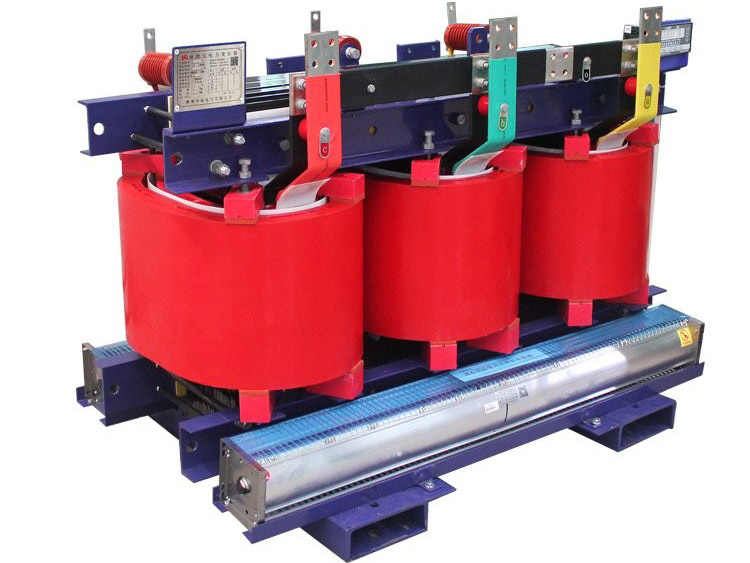
Navigating the New DOE Efficiency Standards: What Transformer Buyers Need to Know in 2026
If you are procuring transformers for projects in the United States, understanding the U.S. Department of Energy (DOE) efficiency standards is no longer optional — it is essential for regulatory compliance and long-term cost savings. The core of the new DOE mandates is a push to drastically reduce energy waste within the electrical grid. By raising the minimum efficiency benchmarks for both liquid-immersed and dry-type transformers, the policy aims to cut carbon emissions and lower long-term operational costs across the national infrastructure.
Understanding the Requirements
The DOE standards are not new — they have evolved over decades. The current regulatory landscape is primarily governed by the DOE 2016 standard, which tightened efficiency limits for both no-load and load losses. However, the industry is already looking ahead. For low-voltage dry-type distribution transformers manufactured on or after April 23, 2029, even stricter efficiency requirements will apply.
Transformer energy losses fall into two categories: no-load loss (core loss) and load loss (copper loss). No-load loss occurs whenever the transformer is energized, regardless of load, making it a primary target for energy conservation. Load loss is directly related to load current and increases with demand. The DOE standards address both.
Cost Implications and Long-Term Savings
Meeting DOE efficiency requirements often increases manufacturing costs by approximately 5% to 15% compared to standard models. These cost increases come from high-grade silicon steel cores, increased copper usage in windings, and advanced manufacturing processes. However, from a total cost of ownership (TCO) perspective, the investment pays off. The DOE estimates that implementing the new energy efficiency standards will save Americans a total of $14 billion in energy costs and reduce carbon dioxide emissions by approximately 85 million metric tons over the next 30 years.
For end users, higher efficiency translates directly into lower electricity bills over the 30-to-40-year lifespan of a transformer. Modernized transformer designs are also better equipped to handle the bi-directional loads and harmonics associated with renewable energy integration and EV charging networks.
What You Need to Do Now
Verify compliance before purchasing. Transformers installed in the U.S. must meet DOE efficiency standards — non-compliant equipment may face grid connection rejection, regulatory penalties, or project delays.
Look beyond upfront cost. Evaluate TCO over the expected service life, factoring in energy savings and maintenance requirements.
Partner with a compliant manufacturer. Zhongbian produces transformers that fully comply with current DOE 2016 efficiency requirements and is actively preparing for upcoming standards. Our design team uses high-permeability grain-oriented silicon steel and optimized winding configurations to minimize losses while maintaining cost-effectiveness.
Whether you are upgrading an aging substation or building a new renewable energy facility, choosing DOE-compliant transformers is a strategic investment in both regulatory certainty and operational efficiency. Contact our team to discuss your project requirements.